
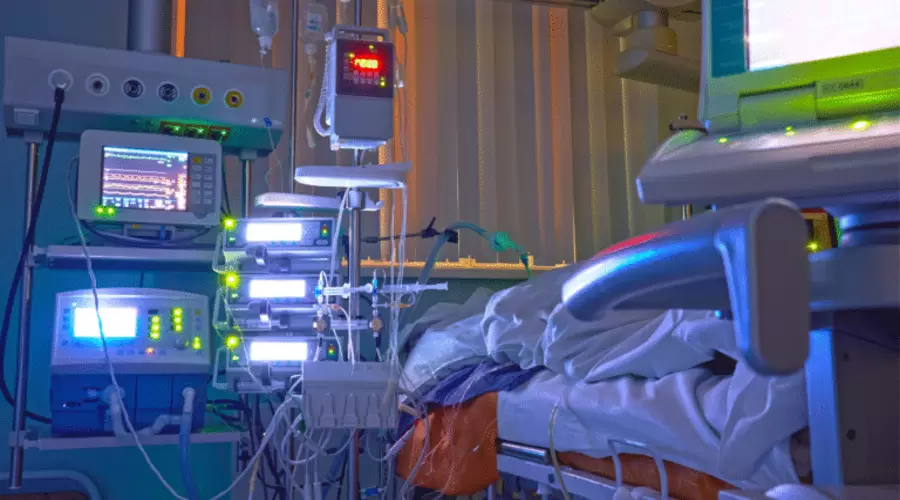
In today’s fast-evolving healthcare landscape, ensuring patient safety in critical care environments is more important than ever. The rise of Tele Smart ICU Service Delhi solutions has transformed how hospitals deliver intensive care, allowing real-time monitoring and expert intervention regardless of location. Leading providers like NIAC are setting new benchmarks by combining advanced technology with clinical expertise to improve patient outcomes, reduce risks, and support on-ground medical teams effectively.
Tele-ICU systems integrate cutting-edge monitoring tools, data analytics, and remote specialist access to create a safer and more responsive ICU environment. These services enable continuous surveillance of critically ill patients, ensuring that even the slightest changes in vital signs are detected and addressed immediately.
By leveraging centralized command centers staffed with experienced intensivists and trained nurses, hospitals can maintain a higher standard of care round the clock. This significantly reduces human error and ensures adherence to best clinical practices.
Modern tele-ICU systems rely on a robust technological framework that includes high-definition cameras, secure data transmission, and AI-powered analytics. These tools work together to provide a comprehensive view of the patient’s condition, allowing remote experts to guide bedside teams effectively.
The use of predictive analytics is particularly impactful. It helps identify potential complications before they become severe, enabling proactive care rather than reactive treatment. This technological edge is a major reason why Tele Smart ICU Service Delhi is gaining rapid adoption among leading hospitals.
The increasing demand for critical care services, coupled with a shortage of trained intensivists, makes tele-ICU solutions a necessity rather than a luxury. Hospitals can extend expert care to multiple locations without requiring specialists to be physically present at each site.
This model is especially beneficial for smaller healthcare facilities and remote centers, where access to critical care expertise may be limited. By bridging this gap, tele-ICU services ensure that patients receive timely and high-quality care regardless of their location.
One of the most significant advantages of tele-ICU services is their ability to shift the focus from reactive to proactive care. Continuous monitoring and data analysis allow healthcare providers to intervene early, preventing complications and improving recovery rates.
Moreover, these systems foster better collaboration between on-site and remote teams, creating a unified approach to patient management. This collaborative environment leads to more accurate diagnoses, timely treatments, and ultimately, better patient outcomes.
As healthcare systems continue to evolve, the importance of technology-driven critical care solutions cannot be overstated. The implementation of Tele Smart ICU Service Delhi is playing a pivotal role in enhancing patient safety, improving clinical efficiency, and ensuring access to expert care at all times. By enabling real-time monitoring, faster interventions, and data-driven decision-making, these services are redefining ICU standards across hospitals. Embracing Tele Smart ICU Service Delhi is not just a step toward modernization, but a commitment to delivering safer, smarter, and more reliable patient care in today’s demanding medical environment.
Aliqu justo et labore at eirmod justo sea erat diam dolor diam vero kasd
Welcome to Articles Webhunk, your go-to source for trending news, insightful articles, and expert opinions across various topics. Stay updated with the latest in business, technology, lifestyle, and more!
Learn More About Us© Copyright 2024 - Articles Webhunk. All Rights Reserved.
