
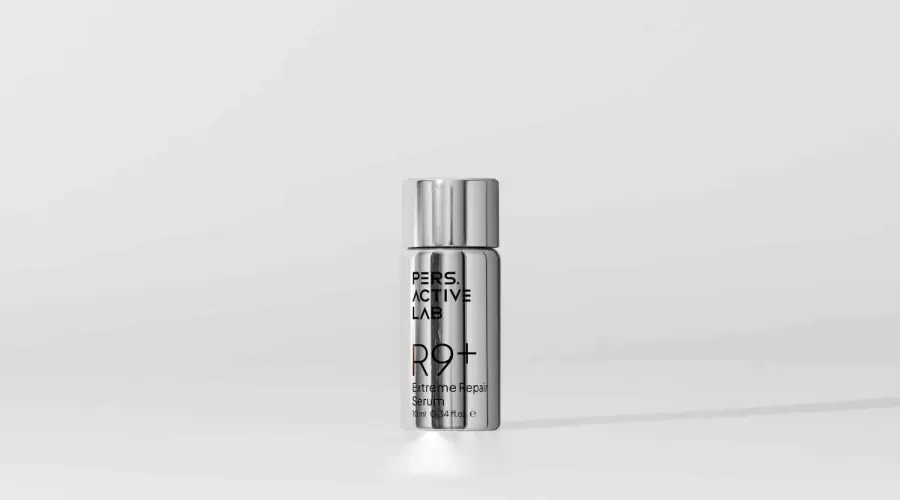
Sensitive skin requires careful attention. Redness, irritation, and discomfort often result from environmental stress, harsh ingredients, or an impaired skin barrier. A targeted serum can help restore balance, reduce visible redness, and improve overall skin resilience when used correctly.
A well-formulated face serum for sensitive skin plays a central role in calming irritation. Unlike heavier creams, serums deliver concentrated ingredients in lightweight textures that absorb quickly without overwhelming delicate skin. This makes them particularly effective for individuals who experience frequent flare-ups or reactivity.
Redness and irritation develop when the skin’s protective barrier weakens. External triggers such as pollution, UV exposure, extreme weather, and skincare products with aggressive actives can disrupt this barrier. Internal factors, including stress and diet, may also contribute.
When the barrier weakens, moisture escapes more easily, and irritants penetrate deeper layers of the skin. As a result, inflammation increases, leading to visible redness, dryness, and sensitivity.
Serums contain a higher concentration of active ingredients compared to moisturizers. Their lightweight consistency allows faster absorption, which reduces the risk of pore congestion or product buildup. For sensitive skin, this means targeted care without unnecessary heaviness.
A face serum for sensitive skin often includes soothing and barrier-repairing ingredients. These formulations aim to calm inflammation while strengthening the skin’s natural defenses.
Selecting the right serum depends on its ingredient profile. Several ingredients consistently perform well for sensitive and reactive skin:
Avoid serums that contain alcohol, artificial fragrance, or strong exfoliating acids if your skin reacts easily.
Not all serums suit sensitive skin. Product selection should focus on simplicity and safety. Look for formulations labeled as hypoallergenic and dermatologically tested.
Check the ingredient list carefully. Shorter lists often indicate fewer potential irritants. Choose products designed specifically for calming and repairing rather than treating multiple concerns at once.
Texture also matters. Lightweight, non-sticky formulas reduce the chance of irritation and feel more comfortable on compromised skin.
Even the best serum requires proper use to deliver results. Follow these steps for effective application:
Consistency matters more than quantity. Regular use allows the skin to rebuild and respond positively.
Sensitive skin reacts quickly to improper care. Avoid these common mistakes:
A minimal and consistent routine often produces better results than a complex one.
A calming serum works best as part of a balanced skincare routine. Each step should support the skin rather than challenge it.
Avoid introducing new products too quickly. Allow your skin time to adjust before making additional changes.
Hydration directly affects skin health. Dehydrated skin becomes more prone to irritation and inflammation. Serums that attract and retain moisture help maintain a stable barrier.
Drink sufficient water and use hydrating skincare products consistently. This combination improves skin comfort and reduces visible redness over time.
Skincare alone cannot fully control sensitivity. External and internal factors also influence skin condition.
These measures support the effects of your skincare routine and reduce recurring irritation.
Some individuals experience persistent sensitivity that standard products cannot address. In such cases, personalized skin care products offer a more targeted approach.
These products cater to individual skin needs based on factors such as sensitivity level, environmental exposure, and lifestyle. A customized formulation can reduce trial and error, which often leads to further irritation.
Dermatologists may recommend tailored routines or specific ingredients based on skin analysis. This approach ensures that the treatment aligns closely with the skin’s requirements.
Results vary depending on the severity of sensitivity and consistency of use. Many people notice reduced redness and improved comfort within two to four weeks. Barrier repair, however, may take longer.
Avoid switching products too frequently. Give your serum enough time to work before making changes.
You can identify progress through several indicators:
If irritation increases, discontinue use and reassess the product’s ingredients.
Reducing redness and calming irritation requires a focused and disciplined approach. A carefully selected serum can make a significant difference, especially when combined with a gentle skincare routine and supportive lifestyle habits.
Consistency, patience, and attention to ingredients remain key. By prioritizing barrier repair and avoiding harsh treatments, sensitive skin can regain stability and maintain a healthier appearance over time.
Aliqu justo et labore at eirmod justo sea erat diam dolor diam vero kasd
Welcome to Articles Webhunk, your go-to source for trending news, insightful articles, and expert opinions across various topics. Stay updated with the latest in business, technology, lifestyle, and more!
Learn More About Us© Copyright 2024 - Articles Webhunk. All Rights Reserved.
