
The present time
requires higher cable usage because infrastructure development and technology
progress at a rapid pace. The safety and performance of any system depend on
the selected cable because it serves all essential functions from power
transmission to telecommunication and automation and transportation. For more
than 100 years standard cables have served as the primary solution. Industries
now choose tubing-encapsulated cables because they need better durability and
more dependable performance and greater protection.
This guide
provides a complete examination of two different cable types because it shows
their important characteristics and useful advantages and practical use cases
through simple and understandable information.
Understanding Conventional Cables
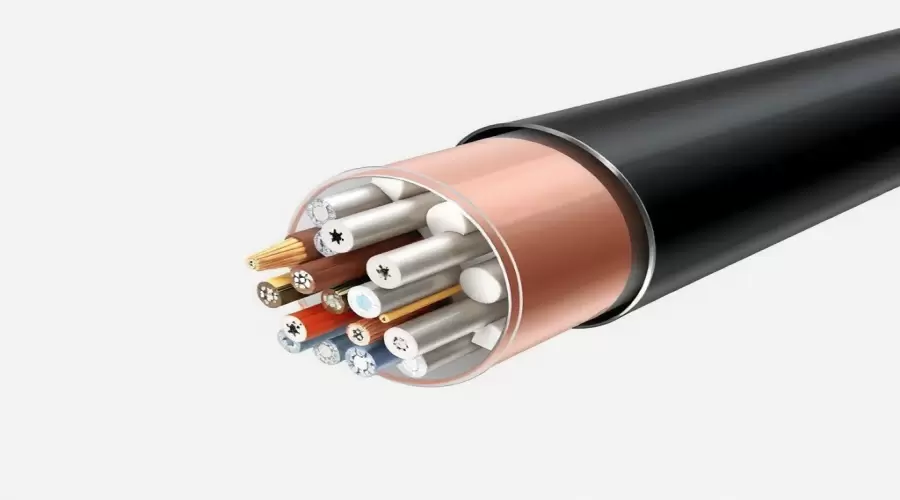
Conventional
cables are the standard wires and cables that most of us are familiar with.
These cables typically consist of a conductor (such as copper or aluminum),
insulation, and an outer sheath. The cables contain extra elements used for
specific purposes which include shielding and armoring as additional elements.
The product
offers multiple advantages that make it popular in the market because people
find it affordable and simple to install and they can select from various
product sizes and configurations. The exceptional performance of conventional
cables enables their use in homes and offices and factories and outdoor
installations throughout various daily tasks.
People use these
products in different situations; however, these products show multiple
restrictions because they operate in places that experience severe
environmental conditions, which include water damage and chemical exposure and
extreme temperature variations.
Tubing Encapsulated Cables represent the latest generation of cable technology capable of
providing greater protection and durability. As the name implies, such cables
are wrapped in an external tube or conduit that provides an extra layer of
protection from physical damages.
This tube could be fabricated from
stainless steel, polymer, or other materials tailored to the specific
environment where the cable will be deployed. The primary function of this
encapsulation is to shield the core cable from mechanical, chemical, and environmental
damages.
With their rugged design, TEC
cables find their way into the list of essential items in oil and gas,
chemical plants, aerospace, marine, and luxurious constructions where safety
and long life are top priorities.
We have oriented ourselves with the
basic structures of these cable types and now we may delve into the major
differences that distinguish them.
One of the biggest changes is in the
level of protection the cables offer. Traditional cables are usually equipped
with basic insulation and sheathing that provide limited protection against
wear and tear. Thus, they can still be susceptible to deterioration due to
physical damage, abrasion, or adverse weather conditions.
In contrast, tubing-encapsulated
cables are built for extreme durability and strength. The outer tube serves as
a protective barrier against different kinds of forces, such as mechanical,
water, rust, and chemical attack. As a result, their use can be extended to
unusually rough and tough environments.
For instance, at an offshore oil
platform or a chemical plant, a standard cable may only last for a short period
before finally succumbing to corrosion, whereas a tubing-encapsulated cable can
be expected to perform at a high level for a considerably longer stretch.
Safety has always been the foremost
concern in the development of industrial projects. A conventional cable that
has been damaged may become the source of electrical leakage, short circuit, or
fire, thus presenting safety hazards.
Tubing-encapsulated cables reduce
these risks to a bare minimum. Protective tubing not only confines the cable,
thus shielding it from the elements but also keeps it safe from accidental
mishaps. Hence, such solutions come in handy at the highest level of
criticality, e.g., nuclear power plants, aerospace, or defence systems.
Besides ensuring higher safety
compliance, these cables increase the operational safety and reliability of the
plant or system by lowering the likelihood of a fault occurrence.
The typical cable from the
manufacturer can only be expected to hold up in a moderately demanding
environment that is under some degree of human control, such as a single-family
dwelling or an office building. However, beyond these zones, when confronted
with extreme heat or cold, high pressure, or aggressive chemicals, they may
attempt to give you reasons for regret.
Therefore, tubing-encapsulated cables
have been developed and built to adapt to and survive the challenging
environments of use. For example, they can be at home in a high-temperature
furnace, at sea in a submersible, or even in a chemical plant where they come
into contact with strong acids.
Take, for example, the petrochemical
industry, which is one of the most corrosive environments for the cable. The
chemicals in the air will not be able to eat through the tubing thanks to it.
Which, of course, means less downtime plus fewer maintenance works and longer
cable life.
When it comes down to the job of
installing cables, the general cables win hands down. They are flexible and
lightweight, thus making it very easy to carry them around or slip them through
walls, ceilings, or conduits.
Due to the addition of the protective
tube, tubing-encapsulated cables tend to be heavier and less flexible. Hence,
this could lead to a situation where the installation becomes complicated and
lengthy. You may even have to call in highly skilled technicians equipped with
specialized tools.
On the other hand, after they are
properly installed, the need for maintenance is kept at a minimum, while the
long-term reliability of the system is greatly enhanced.
Tubing-encapsulated cables should be
your pick if the project you are handling features:
●
really hot or cold
weather/temperatures
●
chemicals or corrosives
●
high safety standards
●
long lifespan of the
infrastructure
●
maintenance frequency reduction
Yes, the first outlay is greater, but
you can rest assured that the advantages for the time to come will be well
worth the expenditure.
Conventional cables can be your first
choice in the following:
●
Basic electrical applications
●
Inside use or well-controlled
environment
●
Projects worried at the limit
of the budget
●
Temporary to medium-term
installations
They provide the three factors of
reliability, flexibility, and ease of use that are valued in the majority of
the applications.
TEC Cables and
traditional cables both have advantages and disadvantages. The best option
depends on the needs of your project, the location, your budget, and the safety
standards that must be met.
Traditional cables are still the
mainstay of the general electrical systems because they are cheap and easy to
install. On the other hand, tubing-encapsulated cables are the choice of the
industries where safety, durability, and reliability are non-negotiable.
Knowing the main differences between
these types of cables will help you decide wisely and guarantee the success of
your project in the long run. No matter if you are building a house, running a
factory, or working on a large infrastructure project, selecting the proper
cable solution is an important step toward both efficiency and safety.
At the core, it's not just about money
or making things easier to use; it's about securing good performance,
protection, and peace of mind down the road.
Also Read: High Voltage Cables Explained: Construction, Standards, and Performance
Aliqu justo et labore at eirmod justo sea erat diam dolor diam vero kasd
Welcome to Articles Webhunk, your go-to source for trending news, insightful articles, and expert opinions across various topics. Stay updated with the latest in business, technology, lifestyle, and more!
Learn More About Us© Copyright 2024 - Articles Webhunk. All Rights Reserved.